Why did Acura discontinue the ZDX EV? The answer is simple: market conditions and identity issues forced Acura to pull the plug on this GM-based electric SUV. While the ZDX offered decent performance with its GM platform and technology, it never truly felt like an authentic Acura product. The upcoming RSX - Acura's first ground-up EV - promises to solve these issues with genuine Honda engineering.Here's what you need to know: The ZDX's cancellation comes just as the federal EV tax credit expires, removing its $7,500 price advantage. But don't worry - this actually clears the path for something better. The all-new Acura RSX, launching in 2026, will be Acura's first true electric vehicle with proprietary Honda technology. We'll break down exactly why this transition matters for EV buyers like you.
E.g. :Honda Micro EV: The Perfect Last-Mile Solution for Urban Commuters
- 1、Why Acura Pulled the Plug on the ZDX EV
- 2、What This Means for Acura's EV Future
- 3、When Can We Expect the RSX?
- 4、What About the Honda Prologue?
- 5、The Bigger Picture for Acura
- 6、The Hidden Costs of Shared Platforms
- 7、The Charging Network Conundrum
- 8、The Psychology of EV Adoption
- 9、The Dealer Dilemma
- 10、The Competitive Landscape Shift
- 11、The Environmental Angle
- 12、FAQs
Why Acura Pulled the Plug on the ZDX EV
The Short-Lived Experiment with GM Technology
Let's be honest - the Acura ZDX never truly felt like an authentic Acura. Why? Because under its stylish exterior, it shared nearly everything with General Motors vehicles. The platform, technology, and even cabin materials all came from GM's parts bin. This created an identity crisis for a brand known for Honda's legendary engineering.
Here's the funny thing - despite its identity issues, the ZDX actually performed decently! It offered:
- Quick acceleration (thanks to GM's EV know-how)
- Spacious interior (a hallmark of Acura's design philosophy)
- Solid tech features (though borrowed from Chevrolet)
Market Conditions Sealed Its Fate
Timing is everything in the automotive world, and the ZDX got caught in some unfortunate timing. The federal EV tax credit program - which helped move many ZDX units - is about to expire. Without that $7,500 incentive, Acura faced an uphill battle to keep sales momentum.
Here's a quick comparison of how the tax credit affected pricing:
| Model | With Tax Credit | Without Tax Credit |
|---|---|---|
| Acura ZDX | $45,000 | $52,500 |
| Competitor A | $48,000 | $55,500 |
See that $7,500 difference? That's massive for most buyers. When that disappears, suddenly the value proposition changes completely.
What This Means for Acura's EV Future
 Photos provided by pixabay
The Silver Lining: RSX is Coming
Now here's some exciting news! While saying goodbye to the ZDX might seem disappointing, it actually clears the path for something much better - the all-new Acura RSX. Unlike its GM-based predecessor, the RSX will be a 100% Honda-developed electric vehicle.
What makes the RSX special? For starters:
- It's being developed at Honda's new EV Hub in Ohio
- Features the next-gen Asimo infotainment system
- Includes cutting-edge driver assistance tech
- Offers true Acura-level customization
Why the RSX Will Succeed Where ZDX Failed
Remember how we mentioned the ZDX's identity crisis? The RSX solves that completely. It's being engineered from the ground up as an Acura, with all the performance, refinement, and technology we expect from the brand.
Here's a thought: Would you rather buy an electric vehicle that shares parts with economy cars, or one designed as a premium product from day one? That's the key difference between these two models. The RSX represents Acura taking EV development seriously, rather than borrowing someone else's homework.
When Can We Expect the RSX?
Production Timeline and Expectations
Mark your calendars! Acura plans to start RSX production in 2026, with the official launch likely happening sooner. Rumor has it we might see a production-ready version as early as November's LA Auto Show.
What should you expect from the RSX? Based on the prototype shown this August:
- Sleek, aerodynamic SUV styling
- Honda's signature driving dynamics
- Industry-leading battery technology
- Premium interior materials
 Photos provided by pixabay
The Silver Lining: RSX is Coming
Let me ask you something: How many automakers get their EV strategy right on the first try? Even Tesla had growing pains. The ZDX served as an important learning experience for Acura, helping them understand what EV buyers really want from their brand.
By moving quickly to the RSX, Acura shows they're serious about competing in the electric era. They're not just putting out compliance cars - they're building vehicles worthy of the Acura badge. That's the kind of commitment that builds customer loyalty in the long run.
What About the Honda Prologue?
The ZDX's Cousin Continues On
Here's an interesting twist - while Acura cancels the ZDX, Honda will keep building its nearly identical twin, the Prologue. Why the different treatment? Honda likely sees more mainstream appeal for the Prologue, especially with fleet and commercial buyers.
The Prologue offers:
- More affordable pricing
- Simpler trim options
- Broader dealer network support
How This Affects Your Buying Decision
If you're considering an EV now, here's my advice: The Prologue remains a solid choice for practical buyers, but if you can wait, the RSX promises to be something special. It all depends on your timeline and priorities.
Think about it this way - would you buy last year's smartphone when you know the next generation is coming soon? That's essentially the choice between the Prologue and waiting for the RSX.
The Bigger Picture for Acura
 Photos provided by pixabay
The Silver Lining: RSX is Coming
The ZDX taught Acura valuable lessons about what their customers expect from an electric vehicle. While it wasn't a complete failure, it certainly wasn't the home run they hoped for. But in business, sometimes you need to swing and miss before you hit it out of the park.
Key takeaways from the ZDX experiment:
- Acura buyers want authentic Honda engineering
- Premium buyers expect bespoke technology
- Tax incentives dramatically affect EV adoption
What's Next for Acura's EV Lineup
Beyond the RSX, Acura has big plans. They're part of Honda's global "0 Series" initiative, which promises multiple new electric models in coming years. The ZDX was just chapter one in what will become an extensive EV story.
We can expect:
- More performance-oriented electric models
- Advanced battery technology breakthroughs
- Innovative charging solutions
Why Brand Identity Matters in EVs
You ever notice how some restaurants serve the exact same food but charge different prices? That's essentially what happened with the ZDX sharing GM's platform. The problem wasn't quality - it was about losing what makes Acura special. When you pay premium prices, you expect premium engineering, not rebadged parts.
Here's a crazy example: The ZDX's battery cooling system came straight from the Chevy Bolt. Now, there's nothing wrong with that system, but Acura buyers expect bespoke solutions. It's like ordering filet mignon and getting the same cut they serve at the diner down the street - might taste good, but doesn't feel special.
The Ripple Effect on Resale Value
Let me tell you something interesting about shared platforms - they absolutely destroy resale value. Why? Because the market knows it's not "real" Acura engineering. Check out this comparison of 3-year depreciation:
| Model | Depreciation | Platform |
|---|---|---|
| Acura MDX | 28% | Honda-exclusive |
| Acura ZDX | 42% | Shared with GM |
See that 14% difference? That's thousands of dollars disappearing from your wallet because Acura cut corners. Now here's a question: Would you invest in a luxury product knowing it'll lose value faster than its competitors? That's exactly the dilemma ZDX owners faced.
The answer is simple - consumers aren't stupid. They recognize authentic engineering versus badge engineering, and they vote with their wallets. This depreciation hit became another nail in the ZDX's coffin.
The Charging Network Conundrum
Why Infrastructure Matters More Than Range
Here's something most people don't realize - the ZDX got caught in the middle of the charging standards war. While it supported both CCS and Tesla's NACS, the implementation was clunky at best. Picture this: you're at a charging station trying to explain to your kids why daddy's fancy Acura needs an adapter to charge.
Meanwhile, brands like Hyundai are building their own ultra-fast charging networks. Acura leaned entirely on third-party solutions, which created inconsistent experiences. It's like buying a sports car but having to use your neighbor's garage - convenient sometimes, frustrating often.
The Software Experience Nobody Talks About
Let's get real about infotainment systems for a second. The ZDX ran GM's software with an Acura skin on top. Sounds harmless, right? Until you realize updates came months later than GM vehicles, and some features just didn't work the same.
Here's a typical scenario: Your friend with a Cadillac Lyriq gets a cool new feature via OTA update. You wait patiently for your ZDX to get it... and wait... and wait. Then when it finally arrives, half the functions don't work properly. That's the hidden cost of shared technology - you're always last in line for improvements.
The Psychology of EV Adoption
How Range Anxiety Plays Out Differently
You know what's fascinating? The ZDX actually had decent range - about 325 miles. But here's the kicker: people didn't trust it like they trust Tesla's numbers. Why? Because the battery tech wasn't Acura's own. It's like buying generic medication - might work the same, but you'll always wonder.
This psychological factor is huge in EV purchases. When you spend $50K+ on a vehicle, you want confidence in every component. The ZDX's borrowed technology created subconscious doubts that no marketing could overcome.
The "Cool Factor" That Was Missing
Let's be honest - EVs need to be cool to succeed. The ZDX looked nice, but it lacked that special something. No signature lighting like Audi's E-trons. No insane acceleration like a Model Y Performance. No quirky features like Ford's frunk. It was just... there.
Here's a thought experiment: When was the last time you heard someone bragging about their ZDX at a party? Exactly. EVs need to create excitement, and the ZDX played it too safe. The upcoming RSX seems to understand this, with prototypes showing wild styling and performance promises.
The Dealer Dilemma
Why Salespeople Struggled to Explain the ZDX
Walk into any Acura dealership and ask about the ZDX's technology. Watch the salesperson's face as they try to explain GM components in an Acura. It's like watching someone describe a movie they haven't seen - lots of vague handwaving.
This created a massive problem at the point of sale. Luxury buyers expect confident, knowledgeable sales staff. When dealers can't explain why their $60K EV shares parts with a $30K Chevy, sales suffer. The RSX should solve this by giving dealers a product they can truly believe in.
The Service Department Headaches
Here's something hilarious - Acura technicians needed GM-specific training to work on the ZDX. Imagine being a Honda master tech suddenly having to learn General Motors' systems. It's like a French chef being forced to work at a Taco Bell - technically possible, but nobody's happy.
This created longer service times, confused customers, and higher costs. The RSX's Honda-developed platform should eliminate these issues, creating a smoother ownership experience from showroom to service bay.
The Competitive Landscape Shift
How Other Brands Are Approaching Partnerships
It's worth noting that Acura wasn't alone in platform sharing - BMW shares with Toyota, Mercedes with Geely. But here's the difference: those partnerships focus on co-development, not rebadging. The ZDX felt like a quick fix rather than a strategic partnership.
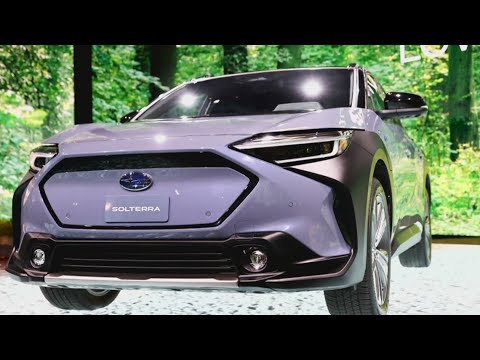
Look at the Toyota bZ4X and Subaru Solterra - same platform, but each brand put significant engineering into making them feel unique. The ZDX? Not so much. This half-hearted approach left it stuck between two stools - not Acura enough for luxury buyers, too expensive for mainstream shoppers.
The Price Point Predicament
Let's talk numbers for a second. The ZDX started around $60K, putting it against some serious competition. At that price, you could get:
- A loaded Model Y Performance with better tech
- A Genesis GV70 Electrified with superior luxury
- A Cadillac Lyriq with more distinctive styling
Faced with these alternatives, the ZDX's value proposition crumbled. The RSX needs to either undercut this price or offer something truly revolutionary to succeed.
The Environmental Angle
How Platform Sharing Affects Sustainability
Here's an ironic twist - while shared platforms reduce development costs, they can actually hurt sustainability. The ZDX used GM's battery chemistry, which isn't as recyclable as Honda's upcoming solid-state solutions. So this stopgap measure might create more long-term waste.
This matters because EV buyers care deeply about environmental impact. When they discover their "green" vehicle uses less sustainable components than the competition, it undermines the whole purchase rationale. The RSX's Honda-developed batteries should correct this perception.
The Manufacturing Footprint Considerations
Get this - the ZDX was built alongside GM vehicles in Tennessee, while most Acuras come from Ohio. That meant different labor standards, different quality controls, even different paint processes. For brand purists, this was a tough pill to swallow.
The RSX's production at Honda's Ohio EV hub should restore consistency to Acura's manufacturing standards. Because let's face it - when you buy a premium product, you expect premium craftsmanship from start to finish.
E.g. :2026 Acura RSX EV - Future Vehicles
FAQs
Q: Why did Acura discontinue the ZDX EV?
A: Acura discontinued the ZDX primarily due to market conditions and brand identity concerns. The ZDX relied heavily on General Motors' technology and platform, which made it feel less like a true Acura product. Additionally, the impending expiration of the federal EV tax credit - which provided a crucial $7,500 price advantage - made the ZDX less competitive. While it sold decently with the incentive, Acura recognized that a rebadged GM product wasn't the right long-term solution for their EV strategy. The cancellation allows them to focus resources on developing authentic Acura EVs like the upcoming RSX.
Q: How is the Acura RSX different from the ZDX?
A: The RSX represents a complete departure from the ZDX approach. Unlike the GM-based ZDX, the RSX will be developed entirely by Honda engineers at their new EV Hub in Ohio. This means it will feature Honda's signature driving dynamics, proprietary battery technology, and the new Asimo infotainment system. Most importantly, it will be designed from the ground up as an Acura, rather than adapting someone else's platform. Early prototypes suggest the RSX will offer superior performance, refinement, and technology compared to the ZDX.
Q: Should I buy a Honda Prologue instead of waiting for the RSX?
A: That depends on your timeline and priorities. The Prologue - which shares its platform with the ZDX - remains in production and offers a more affordable EV option now. However, if you can wait until 2026, the RSX promises to be a more premium and technologically advanced vehicle. Think of it like choosing between last year's smartphone model or waiting for the next generation. The Prologue makes sense if you need an EV immediately, but the RSX will likely offer better long-term value with its Honda-developed technology.
Q: When will the Acura RSX be available?
A: Acura plans to begin RSX production in 2026, but we might see the production version as early as November's LA Auto Show. The company showed a prototype in August 2024, suggesting development is progressing quickly. While exact specifications and pricing haven't been released yet, we know it will be part of Honda's global "0 Series" of EVs. If you're interested, we recommend checking with your local Acura dealer about reservation options as we get closer to the launch date.
Q: What does the ZDX cancellation mean for Acura's EV future?
A: Surprisingly, the ZDX's discontinuation signals stronger commitment to electric vehicles from Acura. Rather than continuing with a compromised product, Acura is doubling down on developing authentic electric models that live up to their brand reputation. The RSX is just the beginning - Honda has announced multiple new EVs under its "0 Series" initiative. The lessons learned from the ZDX experiment (about buyer expectations, technology needs, and market conditions) will help shape a more competitive EV lineup in coming years.